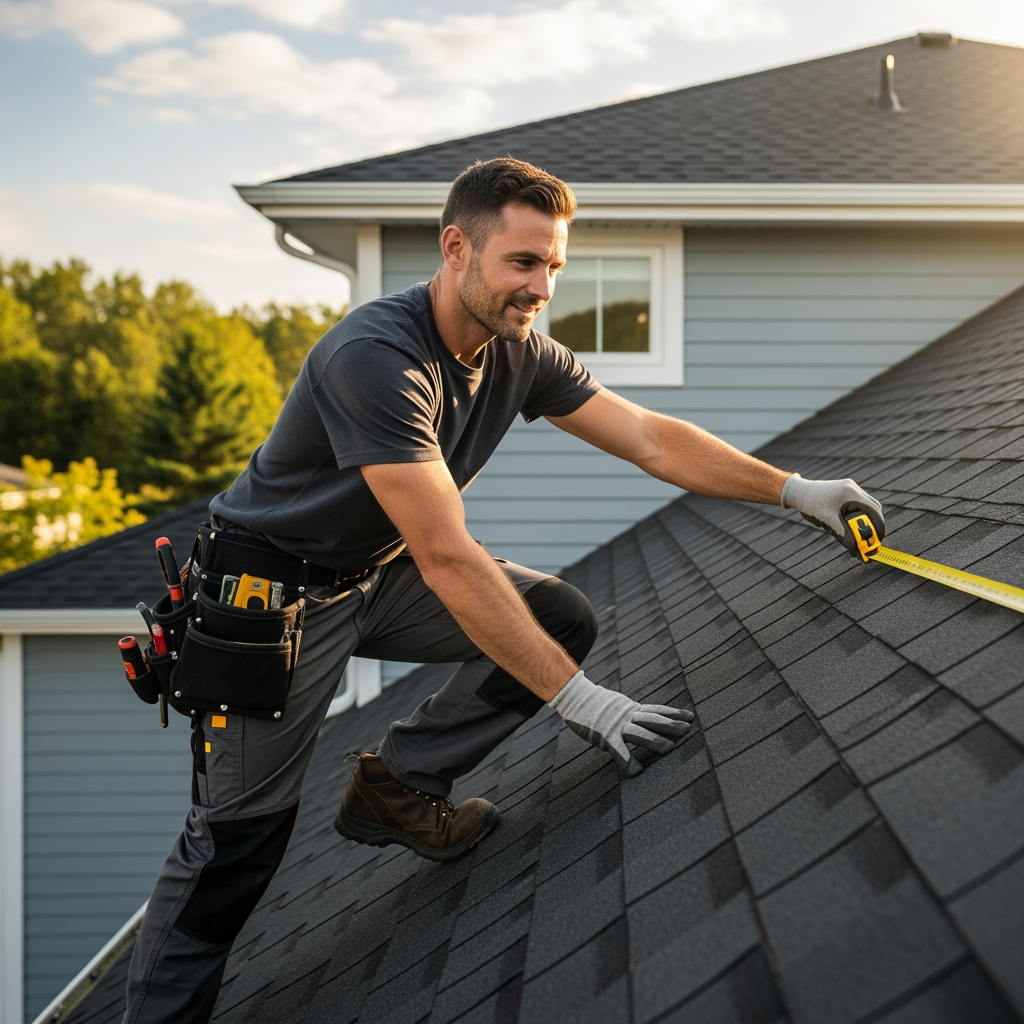
I help neighbors figure out roofing projects all the time, and if you’re searching for a trusted roofing contractor in Flushing, MI, you’re in the right place. Severe weather and aging materials can leave homeowners with tough choices. For dependable guidance on storm readiness and recovery, I often point people toward practical resources like FEMA to understand local disaster risks and insurance basics before starting a roofing job.
Why local experience matters when choosing a roofing contractor
Roofing in this area means dealing with a mix of heavy snows, seasonal thaw cycles, and occasional high winds. A contractor who works here regularly knows how roofs react to Michigan weather, how to secure permits, and what materials hold up best on streets near the city center and in surrounding neighborhoods. Local pros also tend to have relationships with suppliers and adjusters, which can speed up emergency repairs and insurance claims.
What local experience looks like
When I vet contractors for myself or homeowners I advise, I look for a few simple signs of real local experience: frequent work photos from nearby streets and neighborhoods, crew members who can explain seasonal timing, and a reliable local phone number. Those details show the crew understands snow load, ice dam prevention, and common flashing issues on homes around the city.
Common signs your roof needs attention
Not every issue needs a full replacement. Spotting problems early saves money and prevents interior damage. I encourage homeowners to check their roofs at least twice a year and after major storms. Here are the red flags I never ignore.
Key warning signs
Look for these symptoms and call a pro if any appear:
- Missing, cracked, or curling shingles that expose the underlayment and let water in.
- Granule loss in gutters or bald shingles; this accelerates wear and shortens life expectancy.
- Water stains on ceilings or walls indicating an active leak.
- Visible sagging or dips in the roof deck, which can signal structural issues needing prompt attention.
Questions you should ask every contractor
Asking the right questions helps you compare bids and avoid surprises. I suggest noting responses and checking for clear answers rather than salesy language. Honest contractors explain process, timeline, and cleanup.
Must-ask questions
Bring this checklist when you meet potential contractors:
- Are you licensed and insured for roofing work in the city and county?
- Can you provide local references and recent project photos from nearby neighborhoods?
- What warranty do you offer on materials and labor, and how are claims handled?
- How will you protect my landscaping and remove debris during cleanup?
Typical roofing services are available locally
Roofing contractors in and around Flushing typically offer a full range of services that cover both emergencies and long-term upgrades. Knowing the difference helps you select the right scope for your home and budget.
Common services
Here’s what I see most often from reputable crews in the area:
- Roof repair for leaks, flashing failure, and wind damage.
- Full roof replacement using architectural shingles, three-tab shingles, or metal panels.
- Gutter installation and repair to prevent water backing up under eaves.
- Roof inspections, maintenance plans, and seasonal servicing to prevent ice dams and extend roof life.
Materials, warranties, and what lasts here
Choosing the right roofing material depends on your home’s style, budget, and how long you plan to stay. In my experience, architectural asphalt shingles hit the sweet spot for many homeowners: better wind resistance and longer life than 3-tab, without the cost of metal or tile. Metal roofing is growing in popularity for durability and snow-shedding benefits, especially on steeper roofs in cold climates.
Understanding warranties
Manufacturers offer material warranties that can range from 20 to 50 years, but workmanship warranties vary by contractor. Ask for warranty details in writing, including what actions will void coverage. A clear labor warranty for at least 5 years gives you peace of mind and often reflects the contractor’s confidence in their work.
Storm damage, insurance claims, and how to prepare
Severe weather can be the trigger for a roofing project. When storms damage shingles or gutters, homeowners often navigate insurance claims for the first time. I help people document damage early and understand the steps to get work approved and completed.
Practical steps after storm damage
Follow these steps to protect your home and speed up repairs:
- Document damage with photos and notes immediately after the storm, especially visible shingle loss and debris patterns on the ground.
- Call your insurance company to start a claim and ask about temporary repairs or emergency tarping.
- Get written estimates from at least two reputable local contractors to compare replacement options and timelines.
- Keep receipts for any emergency repairs and make sure all temporary fixes are disclosed to the insurer and final contractor.
Two trending topics in roofing right now
Roofing is evolving, and I track trends that affect costs and long-term value. Two trends homeowners ask me about most are energy efficiency upgrades and resilient materials designed for extreme weather.
Cool roofs and energy savings
Cool roof options use reflective materials or coatings to lower attic temperatures and reduce cooling costs in summer. Although cool roofs are more often discussed in warmer regions, they can still help homes with large attic spaces or poor ventilation here. Incentives and rebates may be available seasonally, so check with local programs when planning upgrades.
Impact-resistant shingles and long-life materials
Impact-resistant shingles, often rated as Class 4, offer extra protection against hail and falling debris. More homeowners choose these options after high-wind or hail seasons because they can lower insurance premiums and require fewer repairs over time. Metal roofing and upgraded underlayments are other resilient choices growing in popularity for storm-prone neighborhoods.
How contractors estimate cost and timeline
Understanding how bids are built helps you compare proposals fairly. I always ask contractors to break out costs by material, labor, disposal, permits, and any required structural repairs. That breakdown keeps surprises limited and helps you decide what to prioritize.
What affects price
Several factors influence the final estimate: roof size and slope, the number of layers to remove, accessibility, chosen materials, and any structural repairs needed. Siding, gutter replacement, and skylights add to cost, as do special disposal requirements when multiple roof layers are removed. Seasonal demand can also affect timeline and price—late spring and summer are busiest, so scheduling earlier in the year can secure faster service.
What to expect during a typical roof replacement
When I walk homeowners through the process, it helps reduce anxiety to know each step. A clear schedule and an assigned point of contact from the contractor make the project run smoother. Below is a general sequence you can expect on most residential jobs.
Project flow
- Initial inspection and written estimate, including photos and a materials list.
- Permit acquisition and coordination of delivery dates for materials.
- Job day: removal of old roofing, deck repairs as needed, installation of underlayment and flashing, and shingle or metal installation.
- Final cleanup, inspection, and walk-through to ensure satisfaction. A final invoice and warranty paperwork are provided at closeout.
Small steps to protect your roof between big repairs
Even if a full replacement isn’t in your budget right now, a few low-cost actions can add years to your roof’s life and reduce the chance of leaks. I recommend simple routine checks and seasonal care.
Quick maintenance tips
- Keep gutters clean so meltwater drains away from the roof and foundation.
- Trim overhanging branches to avoid mechanical damage and reduce moss growth.
- Clear attic vents and ensure proper ventilation to prevent moisture buildup and ice dams.
- Schedule an annual inspection with a contractor who offers affordable inspection-only visits to catch small issues early.
Financing options and getting the best value
Roof projects are a significant investment. Many contractors partner with lenders to offer financing, and some homeowners use home improvement loans or lines of credit. When I help clients evaluate financing, I focus on total cost over term and any prepayment penalties. A well-installed, quality roof adds curb appeal and home value, so consider it an investment rather than just an expense.
How I help local homeowners decide
My approach is practical and focused on outcomes. I help homeowners weigh short-term repairs against long-term replacement, match materials to neighborhood styles, and plan projects that fit schedules and budgets. I recommend getting multiple detailed bids, checking local references, and confirming the contractor’s insurance and warranty offerings before signing any agreement.
Choosing a reliable roofing contractor in Flushing, MI, means balancing weather resilience, material performance, and clear communication. If you follow the inspection routine, ask the right questions, and plan your project timing, you’ll get better results and fewer surprises. When you’re ready to move forward, I’ve seen teams here that handle everything from emergency tarps to full replacements with clear timelines, written warranties, and thoughtful cleanup.
If you’d like help scheduling an inspection or getting a clear, written estimate for roof repair or replacement in the city, contact Hect Home Improvement LLC for a consultation and local service options.